
Summary
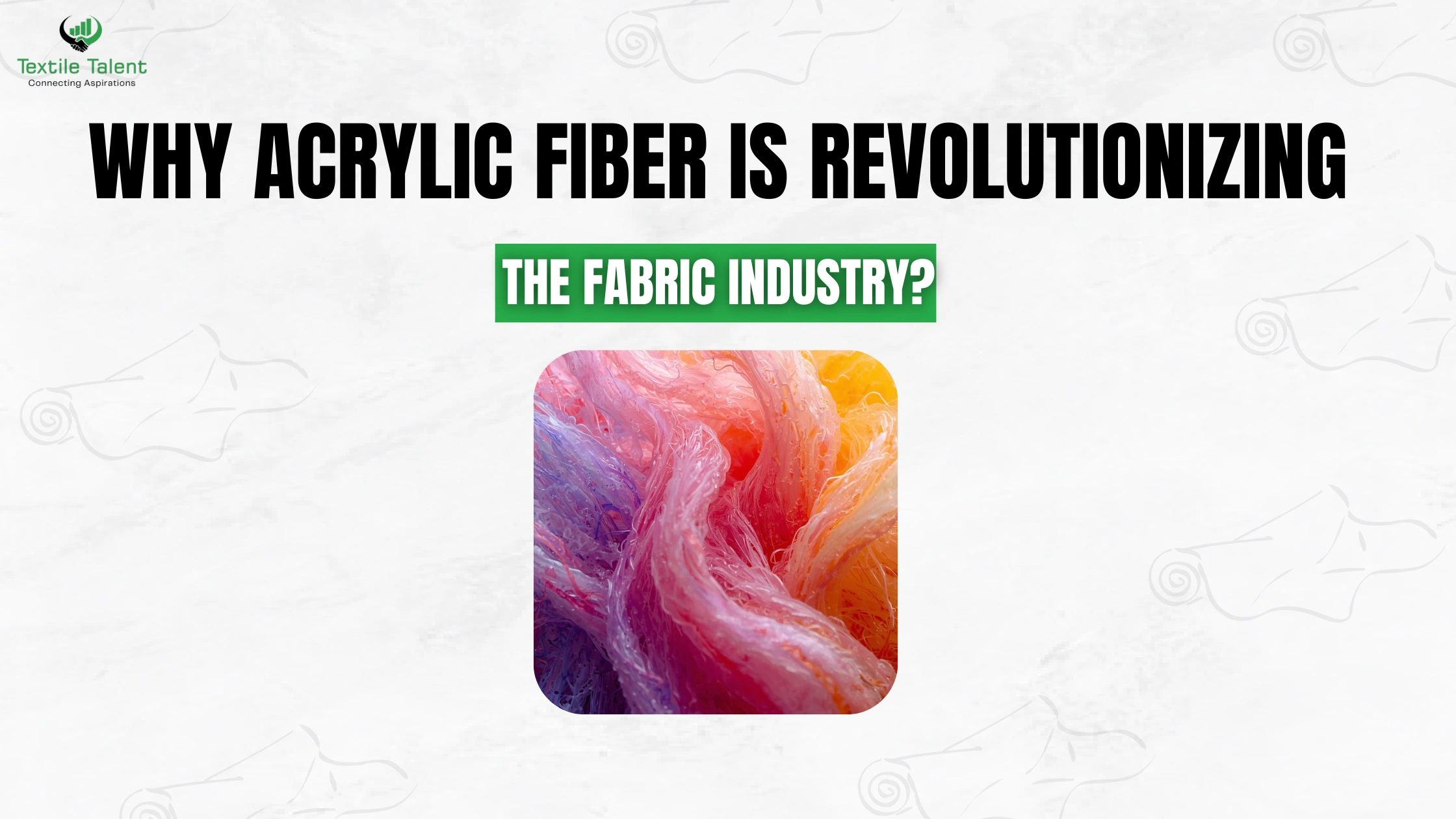
Acrylic fiber has also become one of the most versatile materials in the contemporary world of textile. It is popular with manufacturing companies and consumers because of its capability to mimic wool, hold on to bright colors, and wear. Acrylic has come in as a strong replacement for natural fibers, which the industries seek to replace to reduce costs. This paper describes why acrylic fiber is revolutionizing the fabric industry today, why it attracts such a tremendous level of appeal, what it is composed of and why it reigns supreme in fashion as well as home decor. We’ll also look at common questions—especially the frequently asked “is acrylic a natural fiber”—and clear up many misconceptions surrounding it.
Introduction
The fabric industry in the world has changed significantly and acrylic fiber has been one of the largest in this change. Maybe without even noticing it, you have worn or used acrylic in a host of places: sweaters, blankets, carpets or your favorite winter scarf. Due to its softness and warmth, the acrylic fiber resembles wool, yet it is cheaper and more affordable. That is one of the main reasons why it can be seen everywhere nowadays.
With the growth of textile manufacturing in all parts of the world with more creative jobs like textile designer jobs in Coimbatore, the versatile textile materials like acrylic remain in demand. With its strength, flexibility and adaptability, it gives the designers more leeway to be creative at a cost, production can still be low. Acrylic has succeeded in continuing to impress people, starting with the process of mixing with the other fibers, and then standing alone in high-quality-looking fabrics.
This paper will give the reasons why acrylic fiber is transforming the fabric industry, its construction, application, advantages and its comparison to the natural alternatives.
Acrylic Fiber and the Question: Is Acrylic a Natural Fiber?
One of the biggest questions people often ask is acrylic is a natural fiber? It is simple no accrylic is all synthetic. Although it is artificial, its wool-like appearance and feel make the consumers assume that it is natural. This confusion is the result of the softness, warmth, and flexibility of Acrylic. But understanding whether acrylic is a natural fiber helps consumers make better choices based on durability, allergies, and care needs.
Why the Confusion Exists
Acrylic fibers are also developed in a manner that replicates the natural fibers. Its softness, fluffiness, and warmth are very close to wool that it is easy to mix it with a natural alternative.
Why This Question Matters
Knowing whether acrylic is a natural fiber helps you understand care instructions, performance differences, and environmental considerations associated with synthetic materials.
Acrylic Fiber Characteristics That Shape Today’s Fabrics
Manufacturers often choose acrylic because of the standout acrylic fiber characteristics that make it practical and reliable. The acrylic is tough, light, soft, and wrinkle-free. These properties render it suitable for any kind of clothing and household fabric.
Long-Lasting Color and Shape
The acrylic is very good in holding dye so that the colors are bright and long lasting. It does not fade, stretch, and shrink easily and this implies that garments retain their new appearance even after a long time.
Lightweight Warmth
It is among the best qualities of acrylic because it does not bring heaviness but gives warmth and thus can be worn during winter or used as an accessory at home.
What Is Acrylic Fiber Made Of and Why It’s So Effective
A big part of understanding acrylic’s benefits comes from knowing what acrylic fiber is made of. This fiber is made with the help of polyacrylonitrile which is a polymer that is made of petroleum as the primary component. This is a chemical composition that makes acrylic durable and easy to maintain.
The Manufacturing Process
The acrylic fibers are produced by dry spinning or wet spinning, which gives the manufacturers flexibility in changing the texture, thickness, and functionality. This elasticity allows acrylic to be used in both soft yarns and tough upholstery fabric.
Why Production Method Matters
Since acrylic is a synthetic fibre this can be made to suit specific applications such as softness, loft or resilience, which is something that natural fibres cannot be tailored in the same way.
The Growth of Acrylic Fiber Clothing in Everyday Fashion
Acrylic fiber clothing has become extremely popular due to its comfort, affordability, and ease of care. Hats, scarves, gloves, blankets, and sweaters made of acrylic provide the warmth of wool, but are not as expensive as natural ones or irritating to some individuals.
Ideal for Winter Wear
Acrylic is also very efficient in insulation of heat and it is known to make people warm despite the cold weather. It is light and therefore it is easy to wear as a layer and even on a daily basis.
Low Maintenance and Budget-Friendly
The acrylic clothing is easily machine-washed and dries fast, and therefore useful during busy schedules. The fact that it is also cost-effective also makes students, families, and even fashion brands interested in maintaining the prices low.
Exploring the Characteristics of Acrylic Fiber in Modern Use
Though misspelled as characteristics of acrylic fiber in many searches, the idea remains the same—people want to understand what makes acrylic special. The resilience and the softness of Acrylic have rendered it useful in various sectors.
Resistant to Damage
Acrylic is more resistant to moths, mildew, and sunlight than most natural fibers. This renders it the ideal choice of outdoor products and the long-term storage.
Breathable and Versatile
Acrylic is breathable, even though it is a synthetic. Depending on the desired texture, it can be fluffy, smooth, or even silk,y which can be fitted by manufacturers.
Can a Fiber Laser Cut Acrylic? Understanding Industrial Uses
A frequent question is can a fiber laser cut acrylic? Fiber lasers technically do not make the best choice in cutting through acrylic sheets since they do leave marks of burns, but this question underscores that acrylic is not limited to textile cutting, but there are numerous industrial applications of the material.
Acrylic in Non-Textile Products
Acrylic is also applied in signage, light fixtures and domestic products and in creative projects. Its transparency, hardness and moldability make it popular in the manufacturing field.
The Right Tools for the Job
Fiber lasers are not the best but CO2 laser is effective with acrylic sheets. These differences are understood to provide clean cuts and improved quality of production.
Why Acrylic Fiber Continues to Transform the Fabric Industry
A perfect combination of affordability, performance and versatility is the Acrylic Fiber. Due to the increased demand of cost effective and high-performance fabrics, acrylic still continues to dominate. It offers the appearance and feel of luxury fibers without the effort of maintenance.
A Material for Creative Innovation
Acrylic is a favorite material of designers since it is possible to shape it into an unlimited number of forms and styles. This gives way to artistic designs, knits, and colours.
Meeting Consumer Expectations
Acrylic checks check all the boxes of contemporary shoppers, including durability or comfort. It is in perfect scale with the demands of modern lifestyle where the concept of convenience and affordability is more significant than ever.
FAQs
1. Is acrylic a natural fiber?
No, acrylic is not a natural fiber. It is an artificial fabric that is supposed to look like wool.
2. How durable is acrylic?
Acrylic is a very strong material that does not fade, shrink or stretch, which makes it a good choice in the long life clothes.
3. Is acrylic fiber suitable for sensitive skin?
Most individuals who are allergic to wool favour acrylic as it is soft and not irritating.
4. What are the main uses of acrylic fiber?
It finds application in clothing, upholstery, carpets, crafts and some industrial applications.
5. How should acrylic clothing be washed?
Acrylic is usually machine-washed either in cold or warm water. It is rapidly drying and does not need special detergents.