
Summary
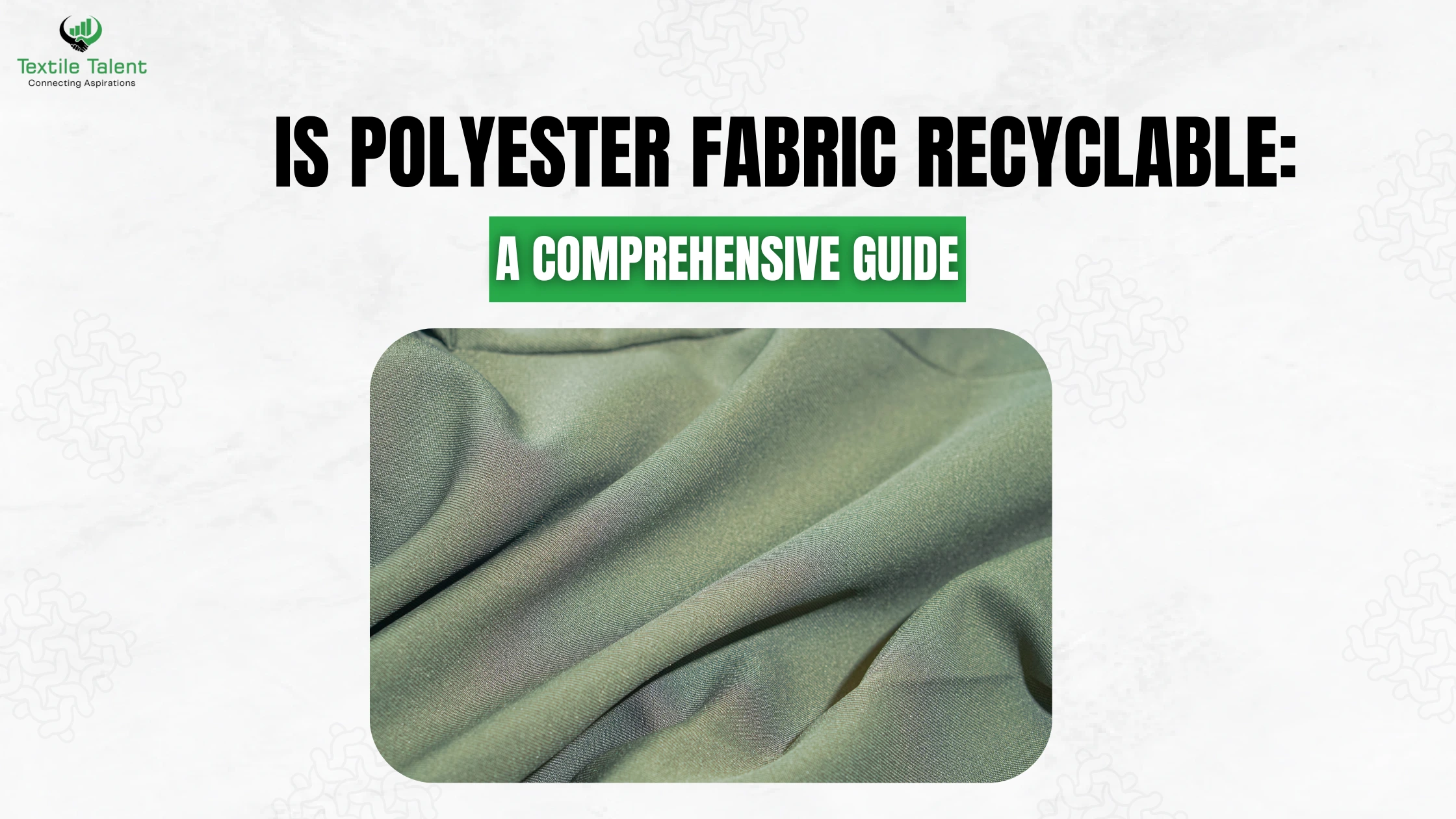
Polyester has been used as a typical fabric in the textile industry and this can be explained by its ability to be durable, economical and flexible. However, due to the increasing concern over environmental issues, issues related to sustainability have also increased. The question most individuals would be tempted to raise is: can polyester fabric be recycled? The paper will continue to elaborate and define the term recycled polyester, its strengths, and weaknesses, how it is used in the textile industry, and the process of polyester recycling. We will also compare recycled polyester and polyamide and the transformation of recycled polyester cloth to the textile industry.
Introduction
Polyester is a synthetic cloth made of petroleum and it has taken over the textile and clothing business. It is also utilized as clothing, furniture and domestic fabrics and is more popular because it cannot wrinkle, shrink and stretch. Even though polyester production is popular, its traditional production has enormous impacts on the environment. Recycling of polyester fabrics is now considered a very important solution in sustainable fashion. Due to the fact that polyester fabric is recyclable, manufacturers, brands and consumers can be helped to make good environment-wise choices without compromising the benefits of this versatile material.
What Is Recycled Polyester?
Recycled polyester, also known as rPET fabric, is produced by transforming used polyester garments, plastic bottles, and other PET-based materials into new fibers. Such a process contributes to the preservation of virgin polyester and to saving natural resources. Recycled polyester is taking over the textile industry because it is sustainable and has performance.
The Recycling Process
The recycling process begins with the collection of used polyester materials which are then cleaned and broken down to fine flakes or pellets. These materials are melted and spinned into new yarn, which can be further used to make fresh fabrics without necessarily having fresh sources of petroleum.
Applications of Recycled Polyester
Polyester possesses an extremely wide product base that can be produced with the utilization of recycled products like clothing, sportswear, bags, upholstery, industrial textile among others. This is because it is popular within the ranks of brands that need eco-friendly but not performance-based choices.
Is Polyester Fabric Recyclable?
The response to the general inquiry is that polyester fabric can be recycled. Polyester is reusable and can be re-processed into new fibers, implying less pollution of the environment and use of energy in generating virgin polyester. Nevertheless, the extent of recycling would be determined by the kind of polyester, post-consumer or post-industrial polyester waste, and the technology of recycling at hand.
Mechanical Recycling
Mechanical recycling entails cutting of polyester fabrics into small pieces and melting them to form new fibers. This is a cost-efficient and popular approach that can decrease the quality of fibers during repeated recycling.
Chemical Recycling
This is achieved through chemical recycling where polyester is broken down into its chemical constituents and reconstituted to virgin quality fibers. This process is more energy-intensive and costly than the mechanical recycling despite its high quality of output.
What Are the Pros and Cons of Recycled Polyester
Recycled polyester has a variety of advantages such as resource conservation, less energy consumption and greenhouse gas emissions. There is also a negative aspect of it, which is that it might have fiber quality limitations, color retention, and wear after repeated recycling. This knowledge on what are the pros and cons of recycled polyester can guide manufacturers as well as consumers to make well-informed choices.
Pros
Recycled polyester saves on petroleum resources, saves on energy, decreases plastic waste at the landfills and oceans, and can be used in a diverse range of applications. These advantages render it a great substitute to two brands as well as nature lovers.
Cons
Recycled polyester can contain slightly less fibre strength even after several cycles of recycling, although this is not negative. Color retention can also not be as vibrant as virgin polyester as well as chemical recycling can be costly and energy demanding. Blended fabrics contamination may also reduce its recyclability.
Recycled Polyester and Polyamide
Recycled polyester has been compared with recycled polyamide (nylon), a second synthetic fiber. Although they both are recyclable, polyamide recycling is more complicated because of chemical structure and industrial unfamiliarity. Polyester material is also more comfortable to recycle in large quantities hence it is used in a large scale as an alternative to sustainable textiles.
Differences Between Polyester and Polyamide Recycling
Polyester recycling is widely industrialized, while polyamide recycling is still developing and less common. Polyester fibers also retain more quality after recycling, making it more practical for repeated use
Industrial Implications
The factories producing textiles prefer using recycled polyester to polyamide in mass production because of the reduced costs and the ease of recycling. This renders recycled polyester an important textile material in sustainable supply chains.
Recycled Polyester Fabric Transforming the Textile Industry
Recycled polyester fabric is transforming the textile industry by making fashion and home textiles more sustainable. Leading brands are incorporating rPET fabrics into apparel, sportswear, and accessories. Its growing adoption signifies a shift toward circular fashion, reducing dependency on virgin materials and minimizing environmental impacts.
Impact on Fashion Industry
The garments are being sold as environmentally friendly and sustainable by the brands that encourage the incorporation of recycled polyester. Consumer preference for environmentally responsible products is driving higher adoption of rPET fabrics.
Future Trends
The emerging developments in the recycling technology, the government policies, and growing consciousness of consumers indicate that recycled polyester will keep on transforming the textile industry. Advances in the quality of fibers and recycling will make it more popular in regular fashion.
Conclusion
To the point, can polyester be recycled as a cloth? Absolutely. Recycled polyester, including rPET fabrics and recycled polyesters, plays a vital role in reducing environmental impacts, conserving resources, and supporting sustainable fashion. Even though there are advantages and disadvantages of recycled polyester, technology is ever advancing and addressing the majority of the issues. As the textile business evolves, recycled polyester material will be among the building blocks of a brand-new fashion as the strategy of quality, sustainability, and innovation will largely depend on it.
FAQs
Q1: What is recycled polyester?
Recycled polyester is a cloth fabric that is produced of post-consumer plastic bottles, used clothes, and industrial waste polyester. It is recycled into fibers which can be used to produce other textiles.
Q2: Can polyester be recycled multiple times?
It is true that polyester can be recycled again and again, but mechanical recycling might result in a slight degradation in the strength and quality of fibers.
Q3: What is the difference between recycled polyester and rPET fabric?
rPET fabric is specifically recycled polyester made from post-consumer PET bottles, whereas recycled polyester can also include industrial waste or blended materials.
Q4: Is recycled polyester eco-friendly?
It is more environmentally friendly because yes, recycled polyester minimizes the use of virgin polyester, saves petroleum, consumes fewer resources of energy and plastic waste is eliminated.
Q5: How is recycled polyester transforming the textile industry?
Polyester recycling can enhance circular fashion, sustainable output and give an environmentally sustainable option to garments, sportswear, and domestic fabrics.